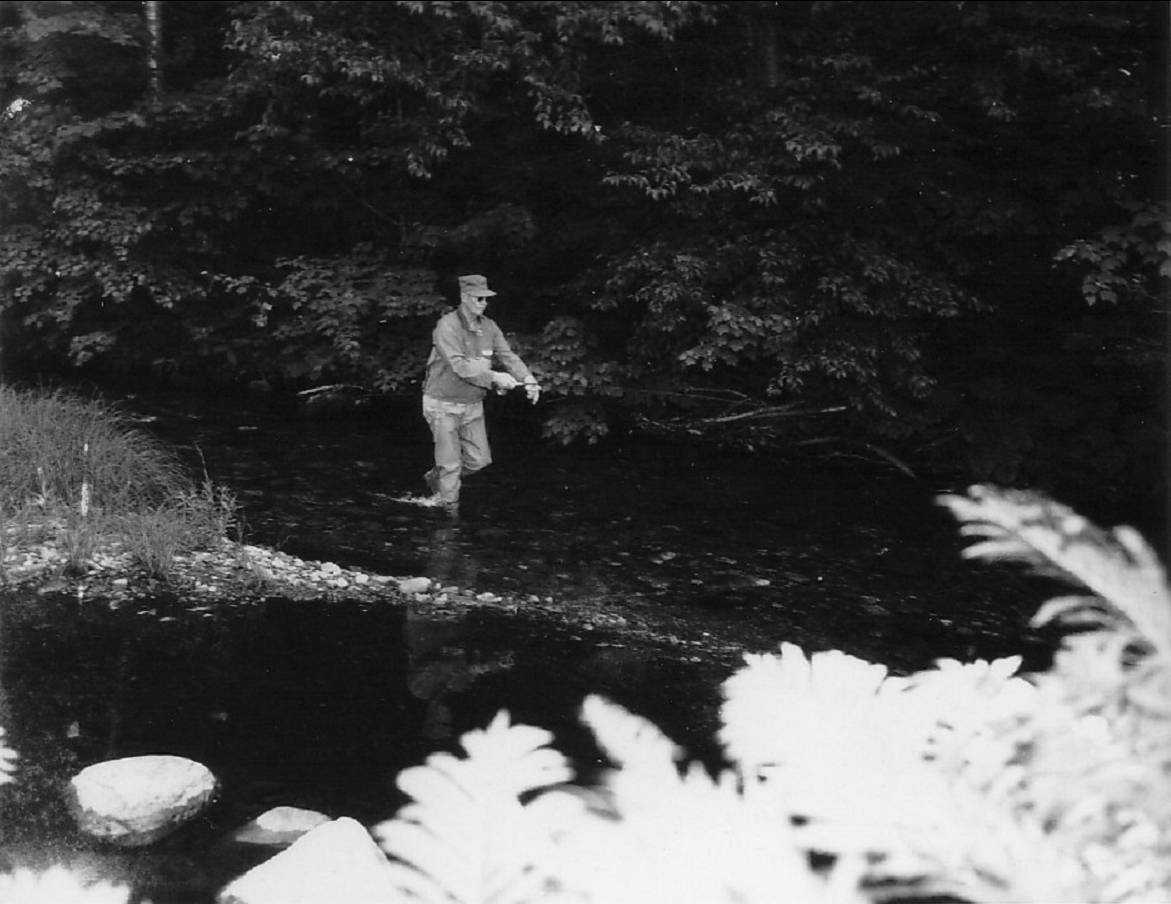
Vermont trout water will teach you fast, and it does not care what you paid for your rod. The Battenkill in Manchester and Arlington holds wild brown trout that have seen every fly in the catalog. Otter Creek, the White River, and a hundred small brook-trout streams are a different lesson: tight brush, slick freestone rock, cold water well into May, and black flies from late May into June.
You do not need expedition money to start. You need one balanced 9-foot, 5-weight outfit, a way to stay dry, and flies that match Vermont hatches. A 5-weight is light enough for a size 18 Blue-Winged Olive and stout enough for a Woolly Bugger on Otter Creek. Add a fishing license, 5X tippet, and a cheap head net for black fly season, and you are fishing. Check the current Fish and Wildlife regulations for your river, because seasons and catch-and-release sections vary.
1. Wild Water Standard Starter Kit, 5/6 Weight, 9 Foot - the low-cost way to find out if you love this
If you are not yet sure fly fishing is your thing, this is the entry point. The Standard kit is built around a 9-foot, 4-piece IM8 graphite rod with a cork handle, rated 5/6 weight, with a die-cast aluminum reel pre-loaded with weight-forward floating line, backing, and a 9-foot 5X tapered leader. You also get a rod case, a waterproof fly box, and nine starter flies, including Parachute Adams, Gold Ribbed Hare's Ear nymphs, and Black Winged Ants. Independent roundups have listed Wild Water starter kits in roughly the $80 to $114 range depending on version, so confirm the current price before you buy.
Who it's for: First-timers and anyone who wants a complete, ready-to-fish outfit for pond trout, brook-trout streams, and panfish without piecing parts together.
Honest downside: The dual 5/6 rating and the basic reel and line are compromises. It will teach you to cast and catch fish, but pressured, clear-water fish on the Battenkill will expose its limits sooner than the outfit below. Treat the included flies as a start, not a selection.
See the Wild Water Standard Starter Kit on Amazon
2. Orvis Encounter Fly Rod Outfit, 9 Foot, 5-Weight - the Vermont company, and the outfit to grow into
Orvis started on this water, in Manchester, and the Encounter is its entry outfit for a reason. The 9-foot, 5-weight outfit pairs a 4-piece graphite rod with a medium-fast action, a large-arbor Encounter reel, a Scientific Anglers weight-forward floating line, backing, a 4X tapered leader, and a rod and reel case. Retailer listings put it at $249, with a 5-year rod warranty. That action is forgiving while you learn timing, but it does not go soft when you need to recast in a riffle or keep a cast under overhanging alders.
Who it's for: Beginners who know they will stick with it, and gift buyers who want one box that is right.
Honest downside: At $249 it costs roughly two to three times the Wild Water kit, and it still does not include waders, boots, tippet, or flies. It is not covered by the 25-year warranty that comes with Orvis's step-up Clearwater line, so do not buy it expecting that coverage.
See the Orvis Encounter Outfit at Trident Fly Fishing
3. Frogg Toggs Hellbender Breathable Stockingfoot Wader - stay dry without Simms money
Vermont trout season opens in April, when the water is snowmelt and your legs will go numb in minutes without waders. The Hellbender is the long-running value pick: a 4-ply nylon upper, double-reinforced knees, 4mm neoprene stocking feet, an oversized chest pocket, zippered handwarmer pockets, and adjustable suspenders. It breathes on the walk in on a warm June evening and, over fleece pants, is warm enough for cold April mornings.
Who it's for: Anyone wading freestone rivers spring through fall who wants breathable waders at a working price, well under premium waders.
Honest downside: Stockingfoot means a neoprene sock, not a boot. You still need separate wading boots, sized over the bootie and a heavy sock. Vermont's old felt-sole ban was repealed in 2016, so felt is legal again, but cleated rubber is easier to clean between waters, which helps stop didymo hitching a ride. Clean and dry your gear between rivers either way.
See the Frogg Toggs Hellbender Wader on Amazon
4. Ventures Fly Co. 40 Fly Assortment - a starter box that covers a Vermont season
A rod without the right fly is just a stick. This hand-tied assortment gives you 40 flies in a box, spanning dry flies, nymphs, streamers including Woolly Buggers, wet flies, and terrestrials, in sizes roughly 8 to 18, with a reference card to help you match the hatch. That maps well onto a Vermont year: nymphs for high, cold April water, Adams and caddis patterns for the Hendrickson and caddis hatches from late April into June, and ants and terrestrials along brushy banks in summer. A review comparison listed it at $59.99, so confirm the current price.
Who it's for: New anglers who do not yet know a Blue-Winged Olive from a Light Cahill, and anyone who loses flies in trees often enough that shop flies at several dollars apiece sting.
Honest downside: No boxed assortment is tied for the Battenkill specifically, and the spookiest wild browns in flat, clear water often want a smaller, exact pattern from a local shop in size 18 or 20. Use this box to learn, then spend a few dollars locally on the patterns the shop says are hatching that week. The advice is free.
See the Ventures Fly Co. 40 Fly Assortment on Amazon
The bottom line
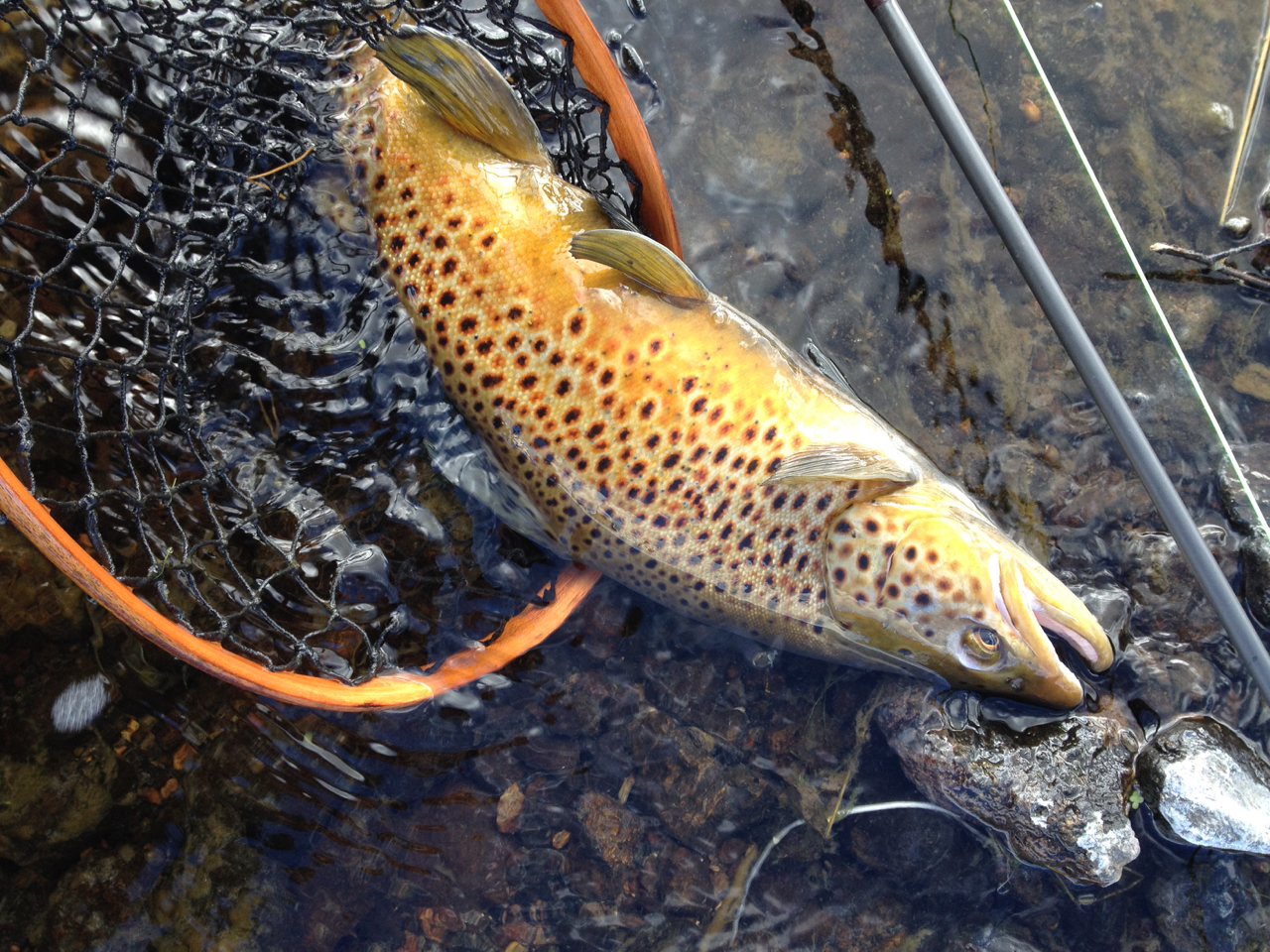
On a tight budget, buy the Wild Water kit, the Hellbenders, and the Ventures box, and spend what is left on tippet, a soft rubber-mesh net for catch and release, and your license. If you can stretch to one upgrade, make it the Encounter, because the rod and line are what you cast all day. Then go stand in a cold river in April and learn the way Vermonters always have, one hung-up back cast at a time.
As an Amazon Associate we earn from qualifying purchases.